Scandinavian garden design: a practical guide
Scandinavian gardens look effortless because almost everything has been left out. The style is built on a few materials, a restrained plant list and a strong relationship between the house and the outside.
7 min read · MyGardenova
The five ingredients
- Pale timber. Decking, benches and screens in untreated or lightly oiled wood that greys over time. Standard 2x4 lumber frames with cladding boards get you most of the way.
- Gravel and stone. Light grey gravel paths, large concrete pavers or granite setts — quiet underfoot and quiet to look at.
- Grasses and meadow planting. Movement and softness instead of bedding colour.
- Birch and other light trees. White bark, thin canopies, dappled shade.
- Restraint. Few colours, few materials, generous empty space.
A palette that works almost anywhere
Keep hard materials to greys and warm pale wood, and plants to greens, whites and soft mauves, with one accent — rust, deep red or black metal — on furniture or a fire bowl. That single accent is often what makes the restraint feel intentional rather than unfinished.
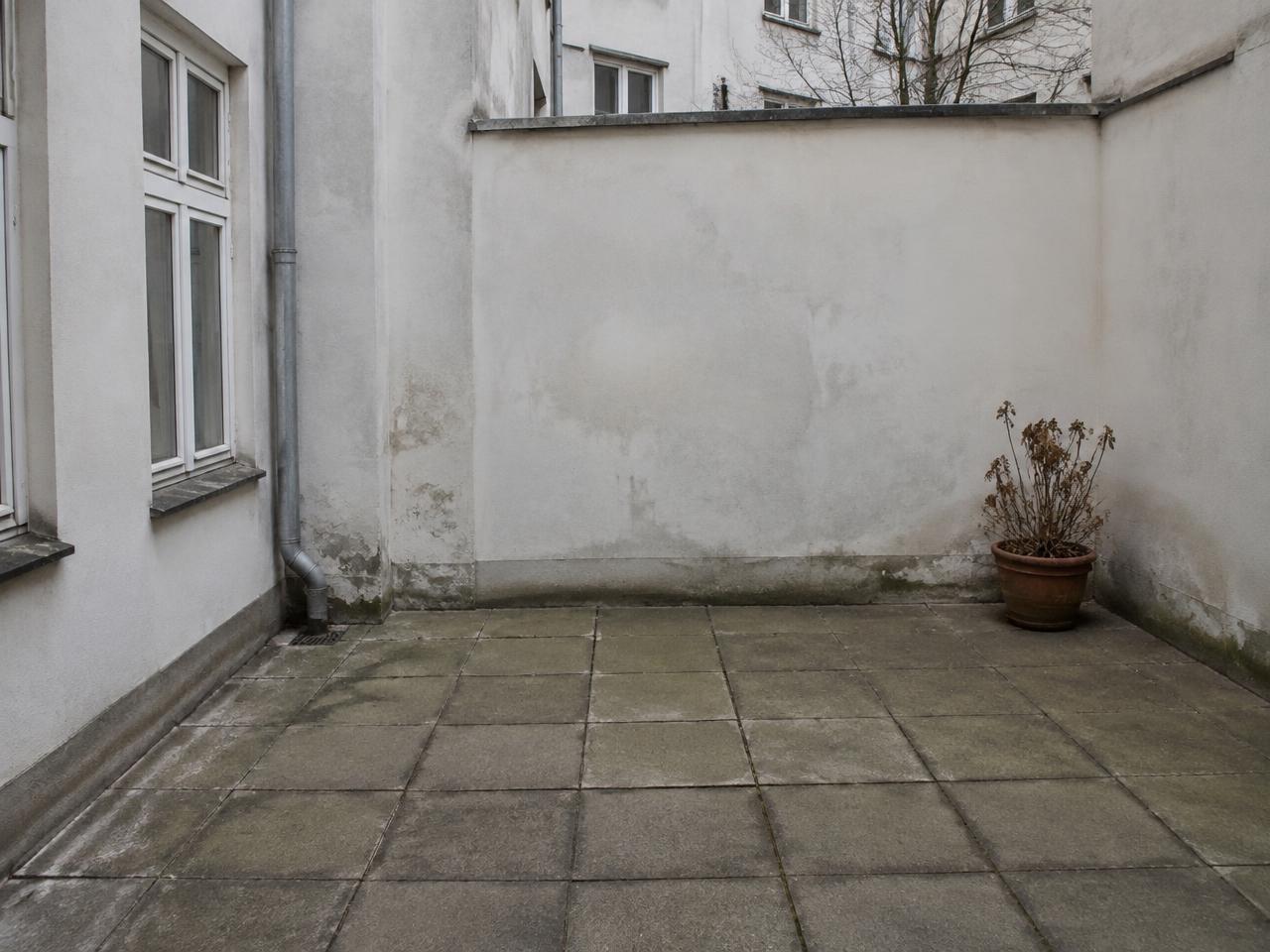
Before — the photo you send
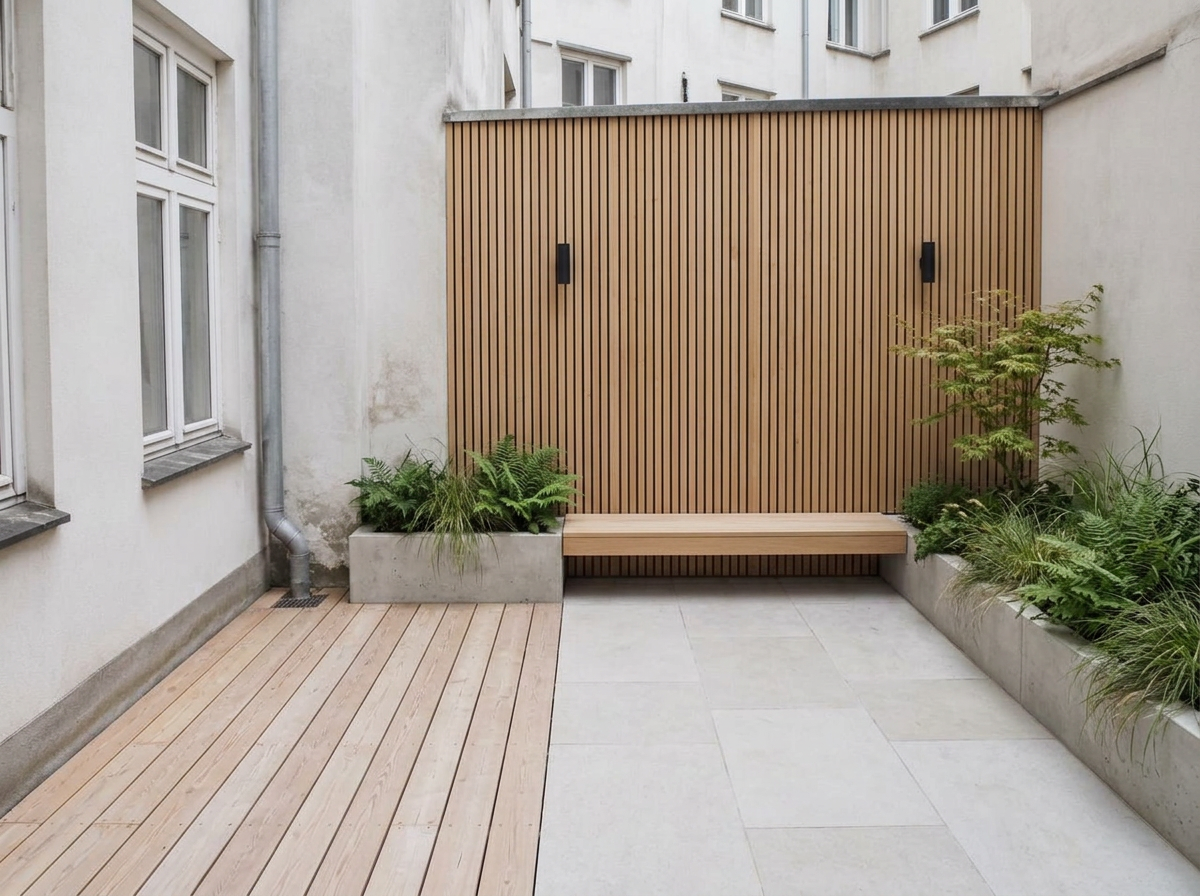
After — AI proposal
Layout: rooms, not features
Nordic gardens are usually organised as one or two clear outdoor rooms connected by a simple path, rather than a lawn dotted with features. Draw a rectangle for the terrace, a line for the path and a band for planting — then resist adding more. If a shape does not have a use, leave it as planting or open gravel.
Planting list to start from
- Grasses: Calamagrostis ‘Karl Foerster’, Molinia, Deschampsia
- Perennials: Salvia nemorosa, Achillea, Astrantia, Geranium
- Structure: low box or Ilex crenata balls, Amelanchier, Betula (birch)
- Ground cover: Alchemilla mollis, Waldsteinia, low sedum in dry spots
Adapt to your own climate zone — the principle (few species, many repeats, long seasonal interest) matters more than the exact list. If you send us your location, our AI garden model suggests species suited to it.
Details that carry the style
- Flush transitions: deck level with the indoor floor where possible.
- Hidden fixings and clean edges — a metal or timber edge between gravel and planting.
- Warm, low lighting rather than bright spots.
- One good piece of furniture instead of several cheap ones.
More guides
- Small backyard design ideas that actually fit
Layout ideas for small backyards: zones, seating, screening, planting and materials — with AI before and after examples.
- How much does garden design cost?
Typical costs for garden design and common build elements, plus how an AI garden design fits into the budget.
- How to brief an AI garden design model
A practical, copy-ready guide to describing your space, needs and style so an AI garden model can create a useful proposal.
- How to photograph your garden for an AI design
Which photos to take, from where, in what light — so the AI keeps your house, boundaries and levels while redesigning the garden.
- How to describe garden style and materials
Plain words that actually change a design: decking, gravel, pavers, cladding, screens and planting — with word-by-word examples.
- Measurements and site details to send with your brief
How to measure a garden without a surveyor, and the sun, slope, drainage and access details that make an AI proposal buildable.
- How to ask for revisions that improve your design
Write revision requests the AI can act on: what to keep, what to change, one group of changes at a time, with ready examples.